Considering Implant-Supported Dentures: A Stable, Confident Way Forward
If your dentures feel loose or you worry about them shifting when you talk or eat, you are not alone. Many people find that even well-made conventional dentures can move as the jawbone changes over time. That movement can chip away at daily confidence.
Implant-supported removable dentures offer a reassuring alternative. By anchoring your denture to a few strategically placed dental implants, you gain stability, improved chewing, and a more secure feel in day-to-day life. At Sullivan Denture Centre in Surrey, our denturists combine clinical expertise with an on-site laboratory to plan, build, and refine implant-retained solutions with precision and care.
This guide explains how implant-supported dentures work, who might benefit, what the typical timeline looks like, and how we coordinate with your dentist or surgeon from start to finish.
What implant-supported removable dentures are
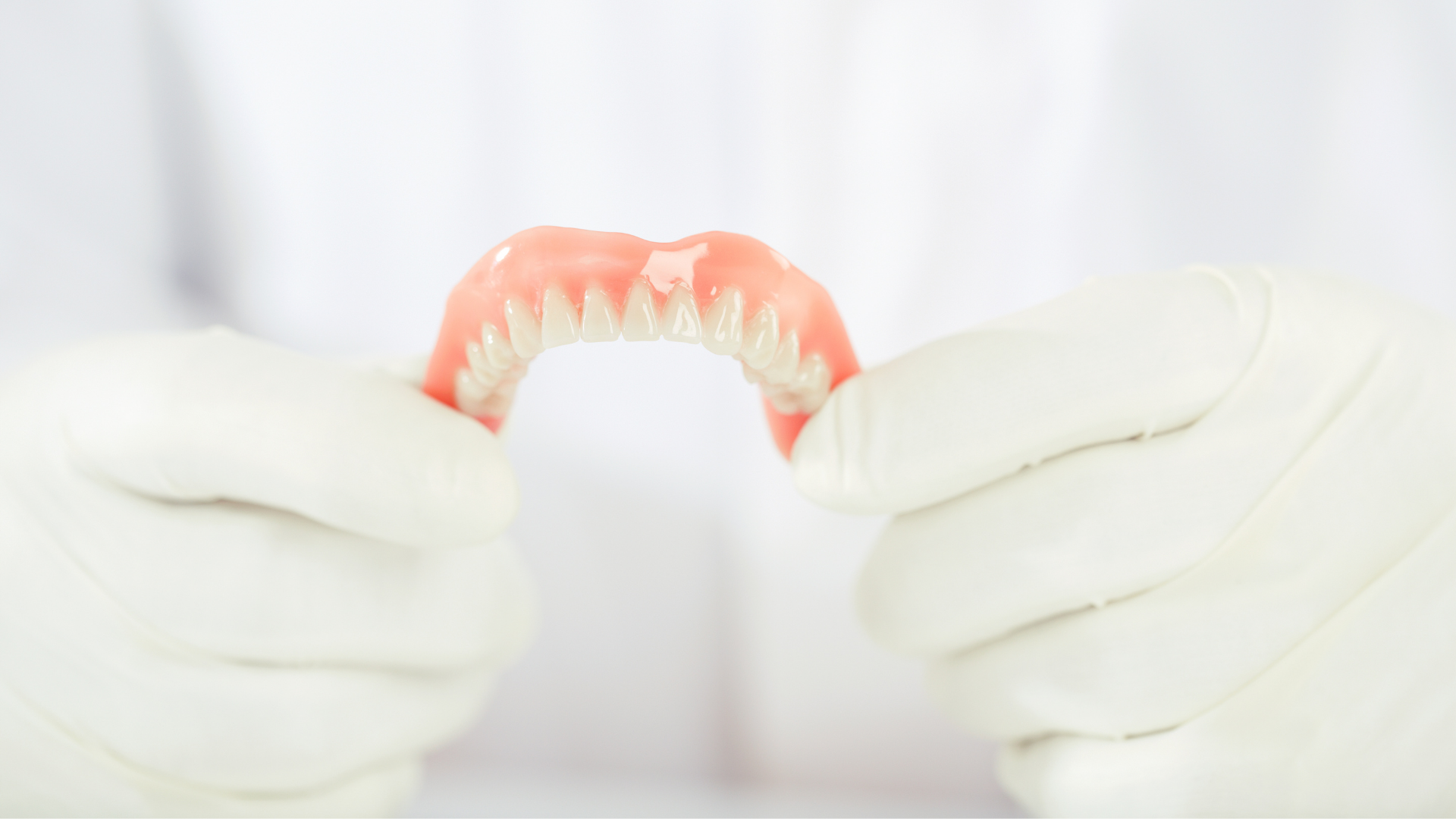
An implant-supported removable denture is a custom denture that attaches to dental implants, which act as artificial tooth roots. The implants are placed in the jawbone by a dentist or oral surgeon. After healing, small connectors called locators or a slim bar framework are secured to the implants. Your denture then clicks into place on those attachments. You can remove the denture for daily cleaning, yet it stays more stable during eating and speaking.
Because implants stimulate the jawbone in a way similar to natural roots, this approach can help slow bone resorption. That often translates to a more consistent fit over time and improved comfort compared with a conventional denture that relies solely on suction and soft tissue support.
Who is a good candidate
Most candidates share a few key traits, which we confirm during a comprehensive consultation:
- Adequate bone volume and density in the jaw to support implants, or a treatment plan from your surgeon to build bone where needed.
- Healthy gums and oral tissues. Any inflammation or infection should be treated first.
- A medical history that allows for minor oral surgery and implant healing. We routinely review medications and conditions and coordinate with your dental and medical providers as needed.
If you have experienced significant denture looseness, sore spots from rubbing, difficulty chewing certain foods, or diminished confidence because of movement, implant retention may be worth discussing. Our team also supports complex cases with advanced digital planning and in-house lab capabilities, which can improve precision in challenging anatomies.
How stability, speech, and chewing improve
Conventional dentures sit on the gums. Even with a good fit, normal jaw movements and gradual bone changes can lead to rocking and loss of suction. Implant-supported dentures gain retention from the implants, so the denture resists lifting and side-to-side movement. This typically provides:
- Stability you can feel. The denture engages the locator attachments or bar, so it clicks into a repeatable position and resists displacement during function.
- Clearer speech. Reduced movement helps maintain consistent tongue and lip positioning, which can support clearer pronunciation of sounds that often challenge denture wearers.
- More efficient chewing. With less sliding and tipping, you can usually bite and chew a wider range of foods more comfortably, which supports nutrition and confidence.
While results vary, many patients report less need for adhesive and fewer sore spots because the denture is not relying entirely on soft tissue for retention.
Our collaborative workflow and timeline
We take a team-based approach built around your goals, your health, and precise fabrication in our on-site lab.
- Consultation with a denturist. We review your history, examine your oral tissues, discuss expectations, and take impressions or digital scans as appropriate. If you have a referring dentist or surgeon, we connect directly to coordinate planning. If you are starting fresh, we can help you organize the surgical referral.
- Digital planning and try-ins. Where beneficial, we use digital scanning and 3D workflows to design your denture and verify esthetics and function before finalizing. A wax or printed try-in allows you to see tooth shape and position, and gives us the chance to refine bite, lip support, and phonetics.
- Implant placement and healing. Your dentist or surgeon places the implants. Healing periods vary based on bone quality and the specific system used. During this time, you may wear a modified temporary denture. We provide guidance on comfort and hygiene, and we remain in contact with your surgical team.
- Attachment selection. Once your surgeon confirms integration, we attach locator abutments or a bar system to the implants. Choice depends on your anatomy, number and position of implants, and your maintenance preferences.
- Final connection and refinement. Your denture is fitted to the attachments and adjusted chairside. Because we fabricate and refine in our in-house lab, we can make timely adjustments to optimize comfort and retention. Follow-ups are scheduled to monitor tissues and make any fine-tuning changes.
Healing timelines can vary. Your denturist will explain what to expect at each stage, including comfort tips and hygiene routines so you feel prepared throughout the process.
The strength of an in-house lab
Having an on-site laboratory means tighter control over quality and timing. If a small adjustment is needed during a try-in, we can often handle it the same day. If a clip, housing, or fit surface needs refinement after attachment, we can address it quickly without shipping delays. This continuity supports a smoother experience and helps maintain precision from planning to delivery.
Coordinating with your dentist or surgeon
Successful implant-supported dentures rely on teamwork. We:
- Share records and treatment goals early so implant positions support your planned tooth setup and bite.
- Confirm timelines together, including when to uncover implants and place attachments.
- Provide your dentist or surgeon with the design details of the locator or bar system, ensuring component compatibility and a predictable fit.
- Keep you informed at every step so there are no surprises.
Whether you come to us through a referral or seek us out directly, we respect your existing care relationships and integrate seamlessly to keep your journey organized and clear.
Caring for implant-supported dentures
Daily care remains important. Clean your denture and attachments every day with non-abrasive cleansers. Brush gently around the locator abutments or bar to remove plaque. Schedule regular maintenance visits with your denturist. Just like tires on a car, retention components can wear and are replaceable. Expect periodic checks, occasional part replacements, and relines over the years as tissues evolve. These steps help preserve comfort and protect your investment.
For general guidance on keeping removable prosthetics functioning well, you may find our perspective on relines and rebasing useful. When relining cannot restore fit, we discuss options together in a supportive, stepwise way.
If you are beginning to explore options and want to meet a team focused on removable prosthetics with an on-site lab and digital capabilities, you can learn more about Sullivan Denture Centre by finding a denturist near you in Surrey.
FAQ
- What are implant-supported removable dentures? They are dentures that attach to implants in your jaw using locator attachments or a bar. The denture is removable for cleaning, but it stays more secure during daily use.
- Who is a candidate? People with adequate bone, healthy gums, and a medical history that supports implant healing. A consultation confirms suitability and coordinates any needed pretreatment.
- How do they improve stability, speech, and chewing? Attachment to implants reduces rocking and lift, helping you speak more clearly and chew more efficiently with fewer sore spots.
- What is the treatment timeline? Consultation and planning, implant placement and healing, selection of attachments, then final connection and follow-up. The exact schedule varies by individual.
- How do you coordinate with my dentist or surgeon? We share records, align on implant positions and timelines, and confirm component choices so surgical and prosthetic steps work together.
A supportive next step
Choosing implant-supported dentures is a personal decision. The right information, a clear plan, and a skilled team make the journey smoother. At Sullivan Denture Centre, our licensed denturists manage your process from consultation to follow-up with the support of an on-site lab and close coordination with your dentist or surgeon. If you would like to discuss whether implants could improve your denture stability and confidence, we welcome you to book a consultation. We will review your goals, outline options, and help you take a steady, informed step forward.