Reline or rebase: how we restore comfort and fit, quickly and precisely
A denture can look perfectly fine but start to feel progressively looser as the years go by. If this is your experience, you are not alone. After tooth loss, the jawbone and soft tissues continue to resorb and remodel. That slow, natural change can leave a once secure denture rocking, rubbing, or slipping at inopportune moments.
At Sullivan Denture Centre in Surrey, we focus on returning comfort and confidence with precise fit restoration. Two reliable paths do most of the heavy lifting: a reline or a rebase. Understanding the difference helps you know what to expect, how quickly we can help, and how to keep your denture fitting well over time.
This guide explains why fit changes occur even when materials look sound, how we determine whether a reline or rebase is right, what a same-day reline visit involves in our on-site lab, how long results typically last, and when to book your next check.
Why dentures loosen over time
Your denture rests on living tissue, not on an unchanging surface. Once teeth are removed, the alveolar bone that supported them no longer receives the same stimulation. The body naturally remodels that bone, a process called resorption, and the overlying gums adapt as well. These gradual changes can:
- Reduce the height and width of the ridge under your denture
- Alter the contour of soft tissues
- Change how saliva distributes, affecting suction and comfort
Even high-quality, well-made dentures will feel different as the foundation beneath them shifts. That is why a denture can appear intact while becoming loose or creating sore spots.
Reline vs. rebase, in plain terms
Both services refresh fit. The difference lies in how much of the denture is updated.
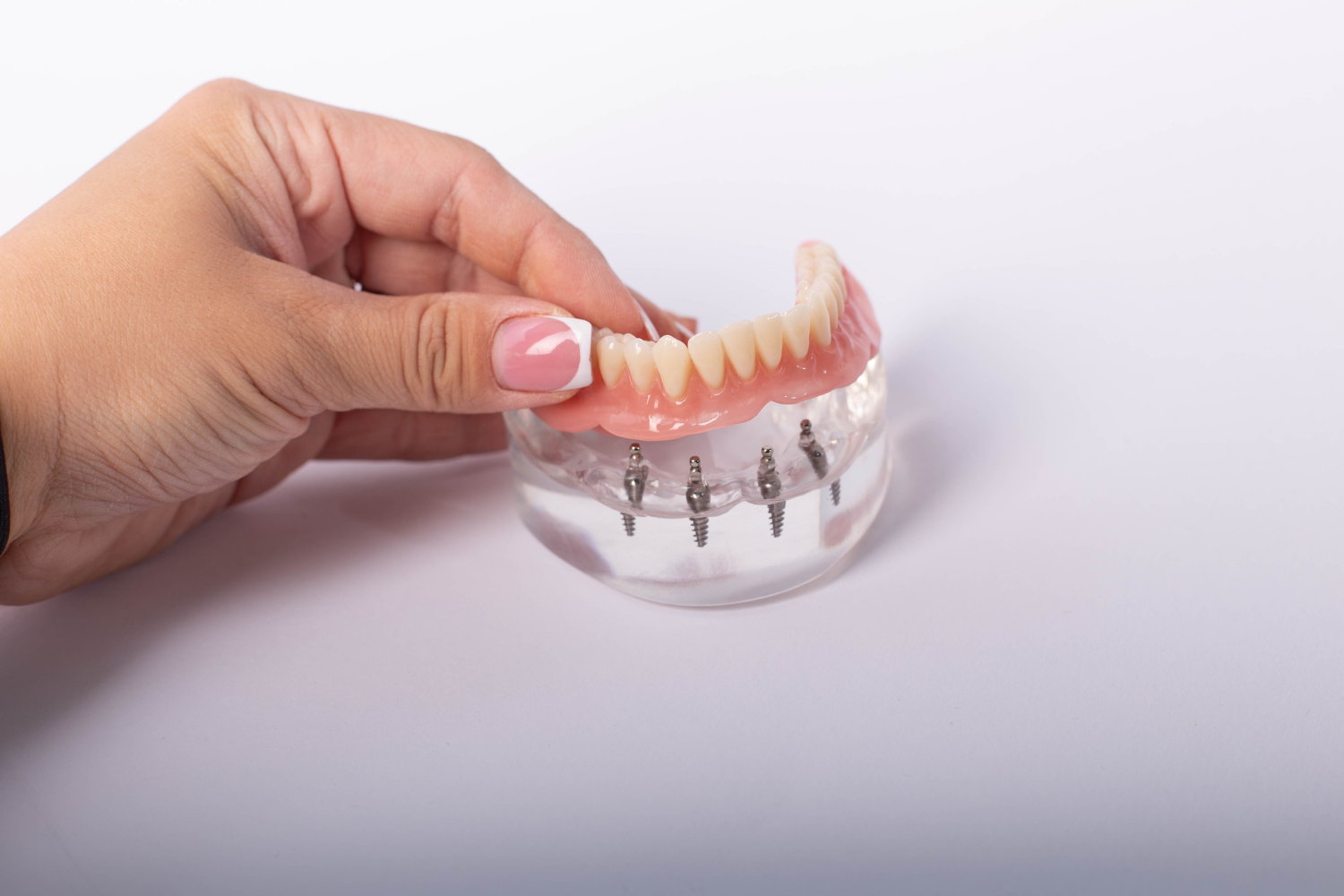
- Reline: We resurface or replace the internal fitting surface of your existing denture so it conforms to your current gum contours. The teeth and the outer shape remain the same. A reline is ideal when the denture teeth, bite, and acrylic base are otherwise in good condition, but the inside has lost close contact with your tissues.
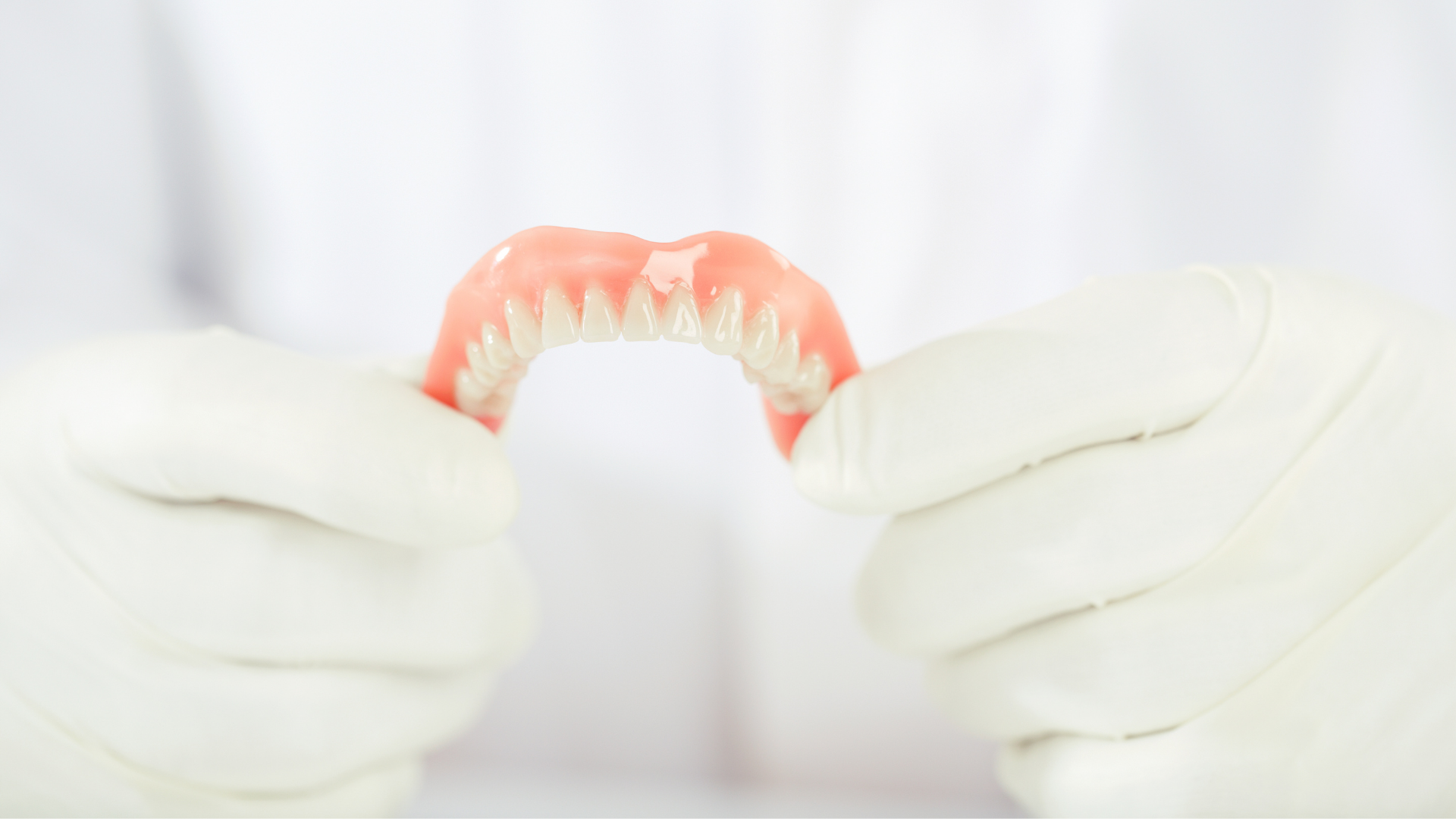
- Rebase: We replace the entire acrylic base while keeping your current denture teeth and their arrangement. A rebase is chosen when the base has degraded, is discoloured or porous, has small fractures, or when the shape changes needed exceed what a reline can correct. It strengthens and refreshes the foundation without changing the tooth setup you are used to.
When a reline is enough
We typically recommend a reline when:
- The denture is generally sound, but it feels loose or rocks
- You have developed sore spots from uneven pressure
- Your bite still feels correct and the teeth show normal wear
- The acrylic base is intact without cracks or significant staining
- You recently had extractions or an immediate denture and your tissues are still settling
In these cases, updating the internal fit restores close contact, improves suction and stability, and relieves pressure points without a full remake.
When a full rebase is the better answer
We recommend rebasing when:
- The acrylic base has microfractures, has become porous or discoloured, or has absorbed odours
- The denture has been repaired multiple times and needs structural renewal
- There are pronounced anatomical changes that a reline alone cannot adapt to
- The base thickness or shape requires correction for durability and stability
- You need a stronger foundation to support your current teeth long term
Rebasing preserves the tooth arrangement you like while giving you a fresh, durable base.
Our assessment process
Every fit restoration begins with a careful evaluation by a licensed denturist. At Sullivan Denture Centre, your clinician examines:
Overall denture condition, tooth wear, bite relationship, and base integrity
Tissue health, ridge anatomy, and areas of soreness or instability
Retention and stability during speech and function
We use precise impressions or digital scans to capture your current anatomy. Our on-site lab allows for workflows with enhanced accuracy and speed. Based on clinical findings, we will recommend a reline or a rebase and provide a clear estimate and timeline. If you are navigating the Canadian Dental Care Plan, our team can discuss eligibility, frequency limits, and direct billing to Sun Life for covered services.
If you are looking for a trusted team and convenient access in Surrey, start with a consultation at Sullivan Denture Centre. Many patients simply search for a denturist near me, but a direct visit to our site gives you the most accurate picture of our services and on-site lab capabilities.
What a same-day reline visit involves
Our on-site laboratory allows many relines to be completed the same day, minimizing disruption. A typical reline appointment includes:
- Fit check and planning: Your denturist identifies pressure points and confirms that a reline will meet your goals.
- Precision impression or scan: We capture your current tissue contours while you gently close into a comfortable bite.
- In-lab processing: Your denture goes to our in-house lab for controlled processing of the new internal surface. Having the denturist and technician side by side supports accuracy and quick adjustments.
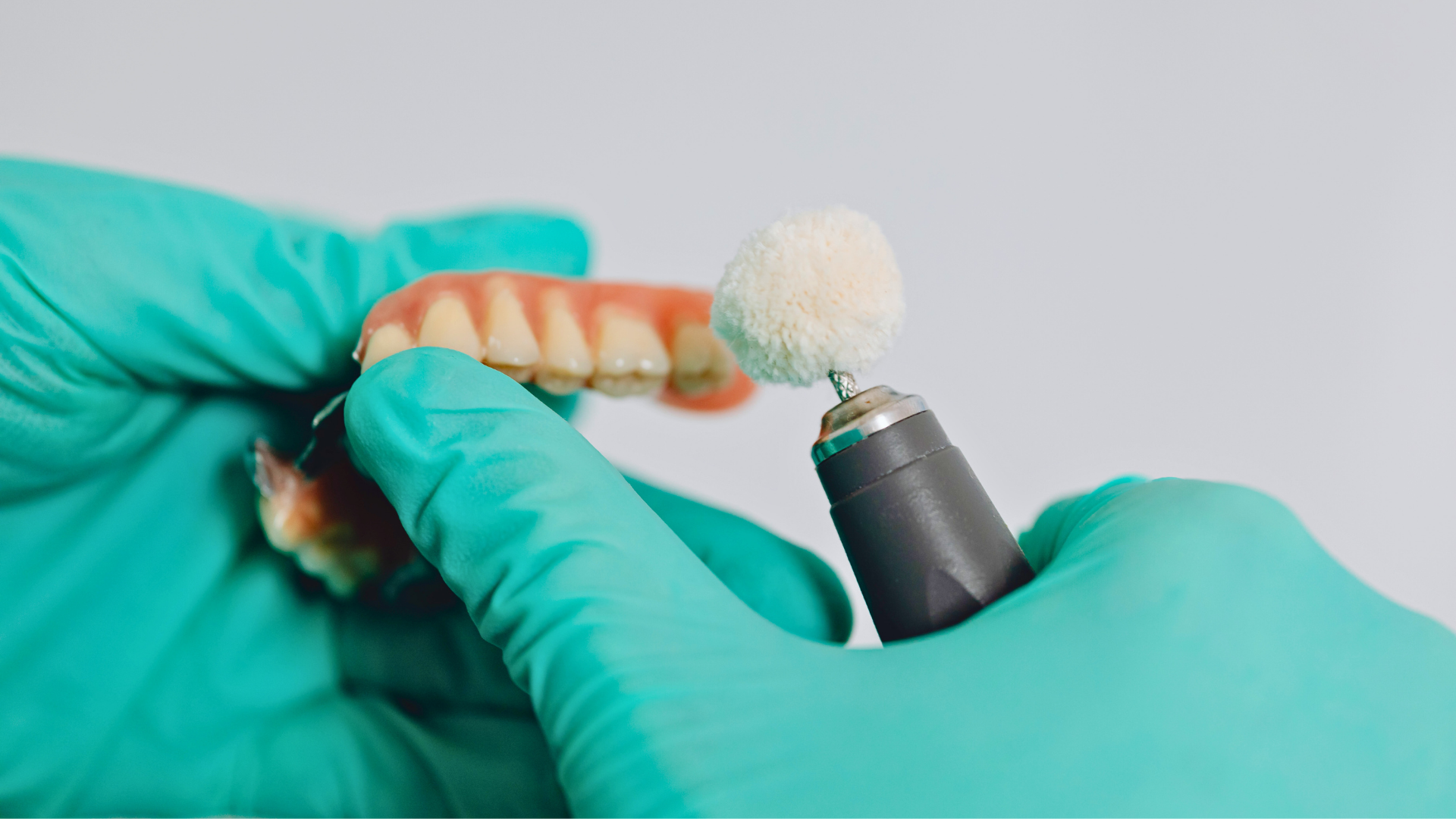
- Refitting and polish: We reseat your denture, assess comfort, refine pressure points, and polish for a smooth, clean finish.
- Home care and follow-up: You receive instructions for cleaning and what to expect as your tissues settle. Minor adjustments, often complimentary, are scheduled as needed.
Most patients leave the same day with a noticeably more secure fit. If your case is more complex, we will explain the steps and timeline before beginning.
Turnaround for rebasing
A rebase is a more involved laboratory process than a reline. Because we replace the entire acrylic base while preserving the teeth, we plan the sequence to protect accuracy. Many cases have a prompt turnaround with our in-house lab; if your situation requires additional steps, we will outline a practical schedule and arrange a comfortable temporary solution when appropriate.
How long results typically last
Tissues continue to change gradually. As a general guideline:
- Relines are commonly needed every 1 to 3 years, depending on bone resorption, health changes, and daily wear patterns.
- Rebases refresh the foundation and can extend the service life of your current teeth, but timelines vary with anatomy, hygiene, and function.
- Complete replacement is often evaluated around the 5 to 10 year mark, especially when teeth are worn, bite relationships shift, or facial support changes.
Your denturist will tailor recommendations to your case and provide clear signs to watch for, such as new sore spots, looseness, or speech changes.
Follow-up and ongoing care
We recommend annual fit checks. A short visit allows us to detect early changes, relieve pressure points, and plan the right intervention before problems escalate. Some patients benefit from bi-annual reviews, particularly during the first year after extractions or when managing significant resorption. Proper daily cleaning with non-abrasive cleansers, careful handling, and drying your denture overnight can also protect fit and materials.
If cost or coverage is a concern, ask us about CDCP support, pre-authorization for partials, and direct billing. We will help you understand what is included and how frequency limits may apply to relines.
Short FAQ
- When is a reline enough and when is a rebase needed? A reline is appropriate when the denture is structurally sound and only the internal fit needs updating. A rebase is indicated when the acrylic base is worn, cracked, porous, or when anatomical changes exceed what a reline can address.
- How do jawbone and tissue changes affect fit? Bone resorption and soft tissue remodeling gradually reduce and reshape the ridge that supports your denture. Even a well-made denture can loosen as the foundation shifts.
- What happens during a same-day reline? After a fit assessment, we take a precision impression or scan inside your denture, process the new fitting surface in our on-site lab, then refit, adjust, and polish so you can leave with improved comfort the same day in many cases.
- How long will results last, and how often should fit be reassessed? Relines typically last 1 to 3 years, and we recommend an annual check. Rebases extend the life of your current teeth with a refreshed base, but timing varies. Full replacement is often evaluated around 5 to 10 years.
The takeaway
A loose denture does not mean starting over. A targeted reline can restore close contact and comfort when the denture is otherwise sound. When the base itself needs renewal, a rebase strengthens the foundation while preserving the teeth you already like. With licensed denturists overseeing care and an on-site lab for efficient processing, Sullivan Denture Centre provides precise, timely solutions and thoughtful follow-up.
If you are noticing movement, sore spots, or slipping, book an assessment. We will help you decide on the right path and keep your fit on track with regular reviews. To learn more about our team, services, and convenient Surrey location, visit
Sullivan Denture Centre.